Why Lagos Land Reclamation Fails to Solve Affordability, According to Urban Planners
While Lagos scaling land reclamation expands raw surface space under intense urban pressure, sector experts caution that high stabilization and infrastructure costs dictate luxury or commercial rather than affordable residential outcomes.

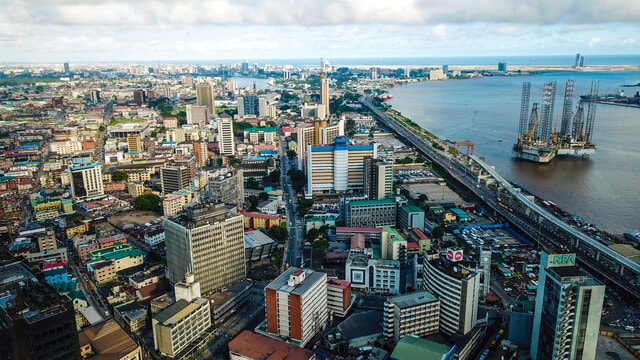
As Lagos state leverages marine and coastal land reclamation to expand aggregate surface area, urban planning consensus signals a structural disconnect between square-meter supply and affordability.
Industry analysts interviewed by Nairametrics note that physical land creation does not inherently equate to accessible housing or serviced municipal communities. High capital expenditure required for hydraulic dredging, shoreline stabilization, heavy civil trunk infrastructure, and long-term coastal climate-risk mitigation dictates high land-basis valuations. Consequently, reclaimed corridors default to high-yield commercial or luxury residential developments rather than mid-market affordable stock.
Structural Dynamics at a Glance
Core Bottleneck: Physical land expansion / affordability or urban planning parity
Cost Drivers: Reclamation/stabilization capex, heavy infrastructure provisioning, environmental/coastal risk management
Market Outcome: High land basis forces capital-intensive luxury/commercial asset deployment over affordable housing
More from Real Estate
REDAN Breaks Ground on 2,400-Unit Smart Estate in Abuja, Tackling 14.9m Deficit
2 days ago
Anambra State Sets December 31 Deadline for C of O Recertification
11 days ago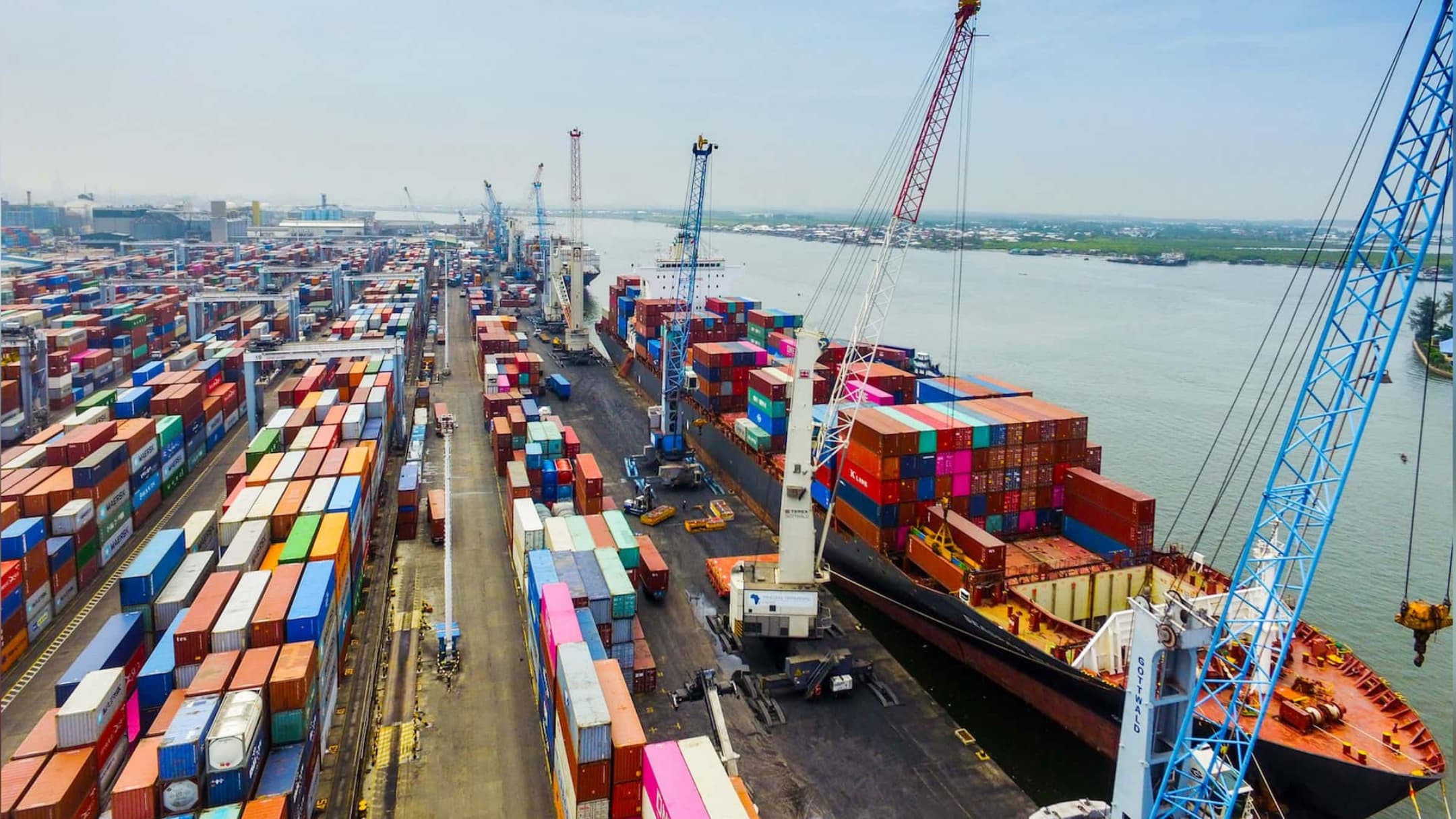
South-South Property Values Soar as $1 Billion Port Modernization Sparks Land Rush
11 days ago